
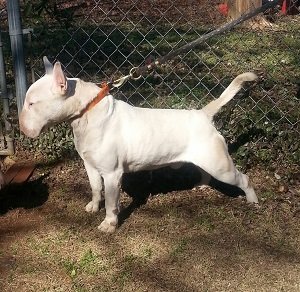
Choosing a Bull Terrier is an exciting decision for anyone who appreciates a dog with a distinctive appearance, confident personality, and playful nature. Among the different coat colours and patterns, Brindle Bull Terriers and White Bull Terriers are especially popular with owners who admire the unique look of the breed. However, choosing a Bull Terrier should involve more than simply selecting a colour.
Temperament, health, socialization, training, exercise needs, and responsible breeding all play an important role. For new owners, understanding these factors can make it easier to choose a dog that fits their lifestyle and provide the right care from the beginning. Boss Bull Terriers believes that responsible ownership starts with understanding the breed and its individual needs.
Understanding the Bull Terrier Breed
Bull Terriers are known for their distinctive appearance, muscular build, energetic personality, and strong character. They can be affectionate companions when properly socialized and trained, but they also tend to be confident and independent.
This combination makes early training particularly important. A Bull Terrier may be intelligent and eager to interact with its family, but consistent guidance helps establish good habits. New owners should be prepared to provide structure while also allowing their dog plenty of opportunities for play and mental stimulation.
What Makes Brindle Bull Terriers Special?
Brindle Bull Terriers have a coat pattern featuring darker stripes over a lighter background. The pattern can give the dog a striking appearance while maintaining the classic features associated with the breed.
Many owners are attracted to brindle colouring because every dog can have a slightly different pattern. However, appearance should not be the main factor when choosing a puppy. A responsible decision should also consider the puppy’s health, temperament, background, and suitability for the household.
A well-socialized brindle Bull Terrier can become a confident and engaging companion when given appropriate training, exercise, and attention.
Understanding White Bull Terriers
White Bull Terriers have a predominantly white coat and are instantly recognizable. Their clean and distinctive appearance has made them one of the most recognizable coat varieties within the breed.
For new owners, it is important to understand that coat colour does not determine personality. A white Bull Terrier can have the same playful, confident, energetic, and affectionate characteristics found across the breed.
Responsible owners should therefore focus on the individual dog rather than choosing based solely on appearance. Learning about the puppy’s background and observing its behaviour can provide much more useful information when making a decision.
Does Coat Colour Affect Temperament?
One of the most important things for new owners to understand is that coat colour does not automatically determine a Bull Terrier’s personality.
Whether someone prefers Brindle Bull Terriers or White Bull Terriers, temperament should be evaluated on an individual basis. Genetics, early experiences, socialization, training, and the environment in which a dog is raised can all influence its behaviour.
A responsible breeder should be able to discuss the dog’s background and provide useful information about its development. This helps prospective owners understand what they may need to provide as the dog grows.
Health Should Always Come First
A beautiful coat is appealing, but good health should always be a priority when choosing a Bull Terrier. New owners should ask appropriate questions about health history, veterinary care, vaccinations, and the puppy’s general development.
Responsible breeding practices can help support the health and wellbeing of future generations. Prospective owners should look for breeders who place importance on healthy dogs rather than focusing only on appearance.
Regular veterinary care is also an important part of ownership. A suitable diet, routine health checks, exercise, dental care, grooming, and preventative healthcare can all contribute to a dog’s overall wellbeing.
The Importance of Pedigree and Background
Understanding a Bull Terrier’s pedigree can help new owners learn more about its background. A responsible breeder should be transparent about lineage and provide relevant information where appropriate.
Pedigree is not simply about having impressive names in a dog’s history. It can help owners understand the breeding decisions behind a puppy and provide additional context about its characteristics.
For anyone considering a Bull Terrier, asking questions and taking time to understand the dog’s background is a sensible part of the selection process.
Socialization From an Early Age
Early socialization can have a major impact on a Bull Terrier’s development. Puppies benefit from positive and controlled experiences with people, different environments, everyday sounds, and appropriate situations.
The goal is to help a young dog become comfortable and confident without overwhelming it. Positive experiences can support good behaviour as the puppy grows into an adult.
New owners should continue socialization after bringing their puppy home. Consistency between the breeder’s early efforts and the owner’s training can create a stronger foundation for the dog’s development.
Training Your Bull Terrier
Bull Terriers can be intelligent and energetic, making training an important part of everyday life. Short, consistent sessions are often more productive than overly long training periods.
Positive reinforcement can help make learning enjoyable. Rewarding desirable behaviour with praise, play, or suitable treats can encourage a dog to repeat that behaviour.
Basic commands such as sit, stay, come, and leave it can be useful in everyday situations. Owners should also establish clear household rules so the dog understands what is expected.
Patience is important because every dog learns at its own pace.
Exercise and Mental Stimulation
Bull Terriers generally benefit from regular physical activity and mental stimulation. Daily walks, play sessions, training exercises, and age-appropriate activities can help keep them engaged.
Exercise should be suitable for the dog’s age, health, and individual needs. Puppies, adults, and older dogs may require different levels of activity.
Mental stimulation is equally valuable. Interactive games, training exercises, and activities that encourage problem-solving can help prevent boredom and provide a positive outlet for the dog’s energy.
Choosing the Right Bull Terrier for Your Home
When choosing between different coat varieties, new owners should consider their entire lifestyle. Think about how much time you can dedicate to training, exercise, companionship, grooming, and general care.
Families should also consider their living environment and previous experience with dogs. A Bull Terrier can be an enjoyable companion, but the breed’s energetic and confident nature means owners should be prepared to provide appropriate structure.
Instead of choosing only based on appearance, take time to learn about the individual puppy. Its temperament, health, socialization, and background should all be part of the decision.
Responsible Breeding and Ownership
Responsible breeding plays an important role in supporting healthy and well-adjusted Bull Terriers. Good breeders consider health, temperament, lineage, and overall suitability rather than focusing solely on physical appearance.
For new owners, working with a responsible breeder can also provide valuable guidance before and after bringing a puppy home.
At Boss Bull Terriers, responsible ownership begins with understanding the breed and appreciating the commitment involved in raising a Bull Terrier. Owners should be prepared to provide a stable home, appropriate training, regular healthcare, exercise, socialization, and plenty of companionship.
Final Thoughts
Brindle Bull Terriers and White Bull Terriers each have distinctive appearances that can appeal to different owners, but colour should never be the only consideration when choosing a dog. Health, temperament, socialization, pedigree, training, and lifestyle compatibility are far more important for building a successful relationship.
For new owners, taking the time to understand the breed can make the experience more rewarding. With responsible breeding, consistent training, proper care, and a loving environment, a Bull Terrier can become a loyal and entertaining member of the family.
Whether you are drawn to a brindle pattern or a classic white coat, making an informed decision is the best way to begin your journey with this distinctive breed.
